Agents Deduct up to Rs2,000 from BISP Stipends, Hindering 44,000 Hyderabad Beneficiaries; 88 Million Loss Potential in District.
Beneficiaries of Pakistan's Benazir Income Support Programme report that agents often cut between Rs1,500 and Rs2,000 from each stipend. In Hyderabad, deductions could reach Rs88 million in a single disbursement cycle, prompting a new social‑protection wallet to curb the abuses.
By AVI News News Desk2 min read
🔍 Click to enlarge
Agents Deduct up to Rs2,000 from BISP Stipends, Hindering 44,000 Hyderabad Beneficiaries; 88 Million Loss Potential in District.
BISP agents say they refuse to pay the full quarterly stipend, withholding between Rs1,500 and Rs2,000 from each beneficiary’s account.
A woman from the Husri area of Hyderabad, known to BISP as Koonj Jhanjhanjo, received Rs12,500 after her entitlements were reduced by Rs11,620. She and her husband spent an afternoon in the heat while the agent, a device operator authorized by BISP and a partner bank, delayed the remaining payment.
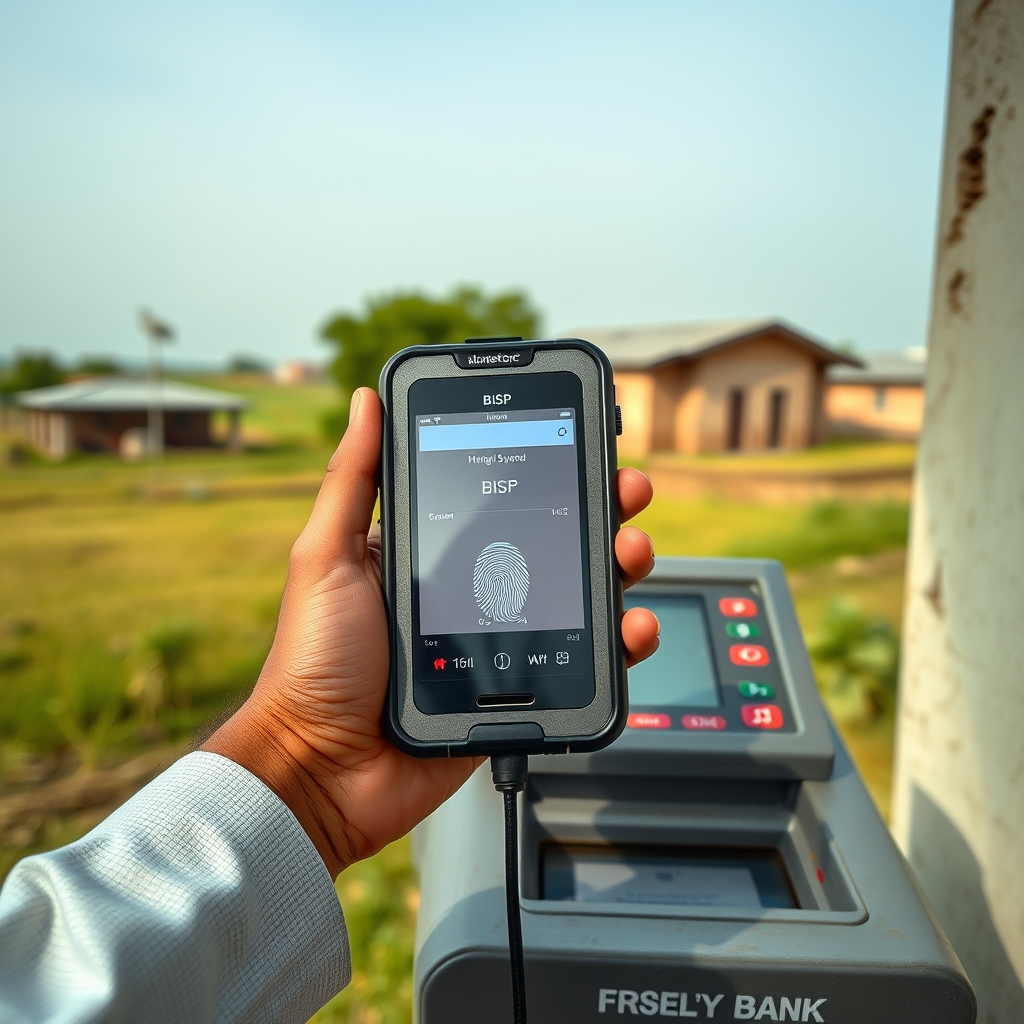
The BISP system uses mobile device operators for biometric verification. These device operators are linked to partner banks that distribute cash through “campsite” and “retail shop” models, with agents sometimes receiving a commission.
Hyderabad has around 44,000 registered BISP beneficiaries. If an agent takes Rs2,000 from each recipient, the total could amount to about Rs88 million in a single disbursement cycle, according to BISP officials.
Other beneficiaries have similar complaints. Rehana Keerio from Tando Allahyar said her mother received only Rs17 000 of a Rs19 000 entitlement, and Hasina from Hyderabad’s Hala Naka noted that agents repeatedly deduct amounts despite protests.
The Benazir Kafaalat Programme pays an unconditional quarterly stipend of Rs14,500 to each beneficiary, up from Rs13,500 in earlier cycles. The programme serves over 10 million beneficiaries nationwide and has a budget of more than Rs722 billion.
Women have reported unfair deductions at both campsites and retail shops. Under the retail model, agents work on a commission basis and use devices provided by partner banks; the devices remain with the agent unless they are blacklisted.
Verification lists are supplied 48 hours before disbursements, but BISP officials say the list sometimes fails to exclude blacklisted agents. A bank official disputed the banks’ role, stating that BISP finalizes the disbursement procedures.
An Integrated Grievance Management System exists to register complaints, but officials claimed it lacked detailed payment records for the July cycle, limiting its effectiveness in verifying allegations.
To reduce illegal deductions, BISP is rolling out a Social Protection Wallet. SIM cards are issued to beneficiaries, allowing them to open digital bank accounts and withdraw their stipends directly.
As of the latest update, nearly 94 % of beneficiaries have received SIMs, but only about 30 % have activated them. The wallet system is expected to lessen the role of agents and the attendant deductions.
The continued losses and the transition to a cash‑less system highlight the challenges BISP faces in ensuring fair payments to vulnerable households.