Bilawal Bhutto Praises Makkah Joint Defence Agreement as Historic Milestone, Hailing Prime Minister Shehbaz and CDF Asim Munir.
Pakistan Peoples Party chairman Bilawal Bhutto Zardari hailed the recently signed Makkah Joint Defence Agreement as a significant milestone, praising Prime Minister Shehbaz Sharif and Chief of Defence Forces Asim Munir and underscoring the pact’s role in strengthening regional security.
By AVI News News Desk2 min read
🔍 Click to enlarge
Bilawal Bhutto Praises Makkah Joint Defence Agreement as Historic Milestone, Hailing Prime Minister Shehbaz and CDF Asim Munir.
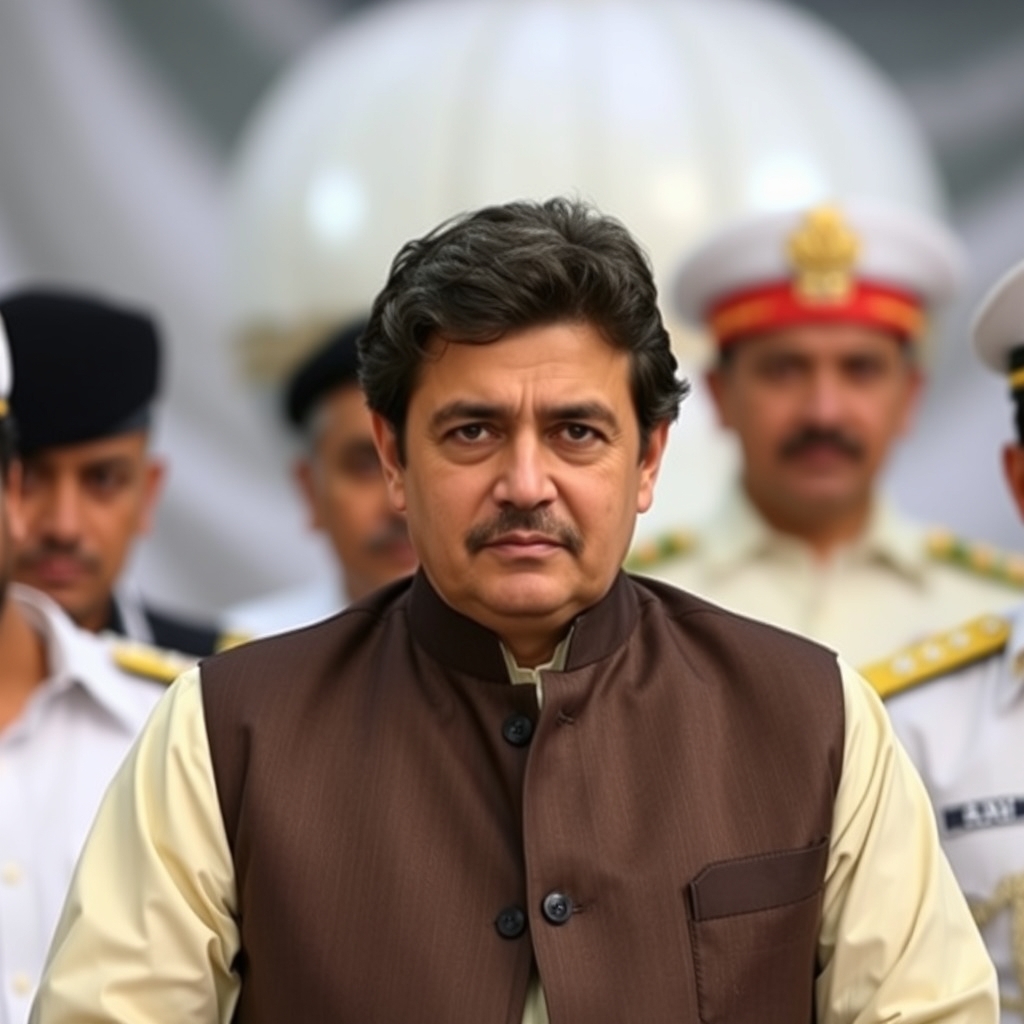
On Saturday, PPP chairman Bilawal Bhutto Zardari announced on X that the Makkah Joint Defence Agreement is a “significant milestone in the country’s history” and will “further strengthen our defence capabilities.” He noted the pact guarantees a stable and secure future for Saudi Arabia, Pakistan and Turkey and described it as a historic document for regional and global peace. Bhutto lauded Prime Minister Shehbaz Sharif and Field Marshal Asim Munir for making the agreement possible.
The agreement was signed a day earlier by the foreign ministries of Pakistan, Saudi Arabia and Turkey in Makkah. It establishes a framework for collective deterrence, stating that an armed attack against any one of the three signatory states will be regarded as an attack against all three. The pact is guided by the three countries’ longstanding historical ties, enduring bonds of brotherhood and Islamic solidarity, and shared strategic interests and defence cooperation.
Security analysts say the pact formalises decades of existing strategic collaboration rather than creating a new military bloc. It provides a formal institutional framework for cooperation that has evolved through political, military, and economic relations dating back to the Khilafat Movement and long‑standing defence ties between Pakistan and Saudi Arabia. The framework aims to strengthen collective deterrence, enhance military coordination, and promote regional stability.
Bhutto emphasized that the agreement will strengthen collective security and that the roles of Sharif and Munir are commendable, further ensuring that the pact serves as a defensive arrangement and not an offensive alliance.