Iranian foreign minister blames U.S. and Israel for Strait of Hormuz insecurity, says talks with Oman to open safe maritime route.
Iran’s foreign minister said U.S. and Israeli military actions alone created security problems in the Strait of Hormuz and that Iran is negotiating with Oman for a new safe shipping lane.
By AVI News News Desk2 min read
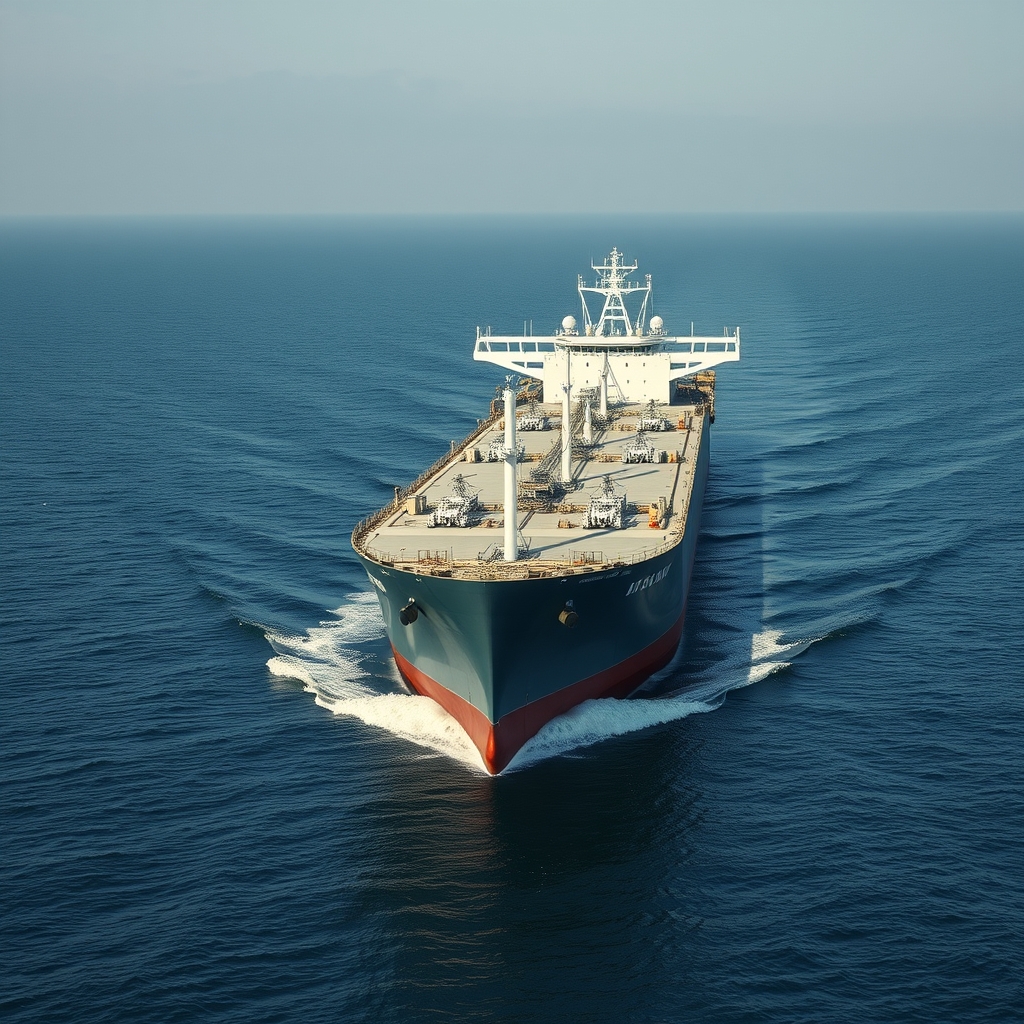
🔍 Click to enlarge
Iranian foreign minister blames U.S. and Israel for Strait of Hormuz insecurity, says talks with Oman to open safe maritime route.
<p>According to IRNA, Iranian Foreign Minister Abbas Araghchi told his German counterpart Johann Wadephul that insecurity in the Strait of Hormuz is caused only by military aggression from the United States and Israel. He described the U.S. “maritime blockade” and other violations of the Islamabad memorandum as unlawful interference.</p><p>Araghchi also briefed Wadephul on ongoing consultations with Oman that aim to set up a safe maritime route through the strip. The Iranian foreign minister urged the international community to hold the U.S. administration accountable for the closure of the waterway and the security and economic consequences it produces.</p><p>Separately, The Express Tribune reported that President Donald Trump departed Turkey for a NATO summit on July 7‑8 on a U.S. military aircraft after an alleged Iranian threat. The White House stated Trump was aboard Air Force One, but The Washington Post said the president moved to a smaller aircraft using a catering truck to conceal his location from journalists and some White House staff.</p><p>Oil prices rose about 5 % on Monday, with Brent crude reaching $87.7 per barrel and West Texas Intermediate climbing 5.1 % to $82.2. The increase followed statements that a “massive escalation” against Iran remained an option, deepening uncertainty over the Strait of Hormuz’s status.</p><p>Israeli Channel 12 reported that U.S. aerial‑refuelling aircraft at Ben Gurion Airport have been gradually withdrawn, reaching levels similar to those during a prior ceasefire when roughly 20 aircraft were stationed there. The withdrawal follows pressure from Israeli officials to keep the airport operational for civilian flights during the busy summer travel period.</p><p>Meanwhile, U.S. officials have continued to maintain that the United States Navy controls the Strait of Hormuz and has cleared mines throughout the waterway, while Iranian forces have threatened to disrupt maritime traffic with mines. Iran has reiterated its demand that the U.S. lift its blockade as a condition for reopening the strait.</p>