Millions Mistake AI-Generated Hitler Fanta Clip for Real Commercial, Revealing Popularity of Shock Advertising.
An AI‑generated video depicting a stylised Adolf Hitler drinking from a plastic Fanta can went viral, with millions believing it was an authentic commercial. The clip’s obvious fake design sparked debate and highlighted how shock advertising has become normalized as a marketing strategy.
By AVI News News Desk3 min read
🔍 Click to enlarge
Millions Mistake AI-Generated Hitler Fanta Clip for Real Commercial, Revealing Popularity of Shock Advertising.
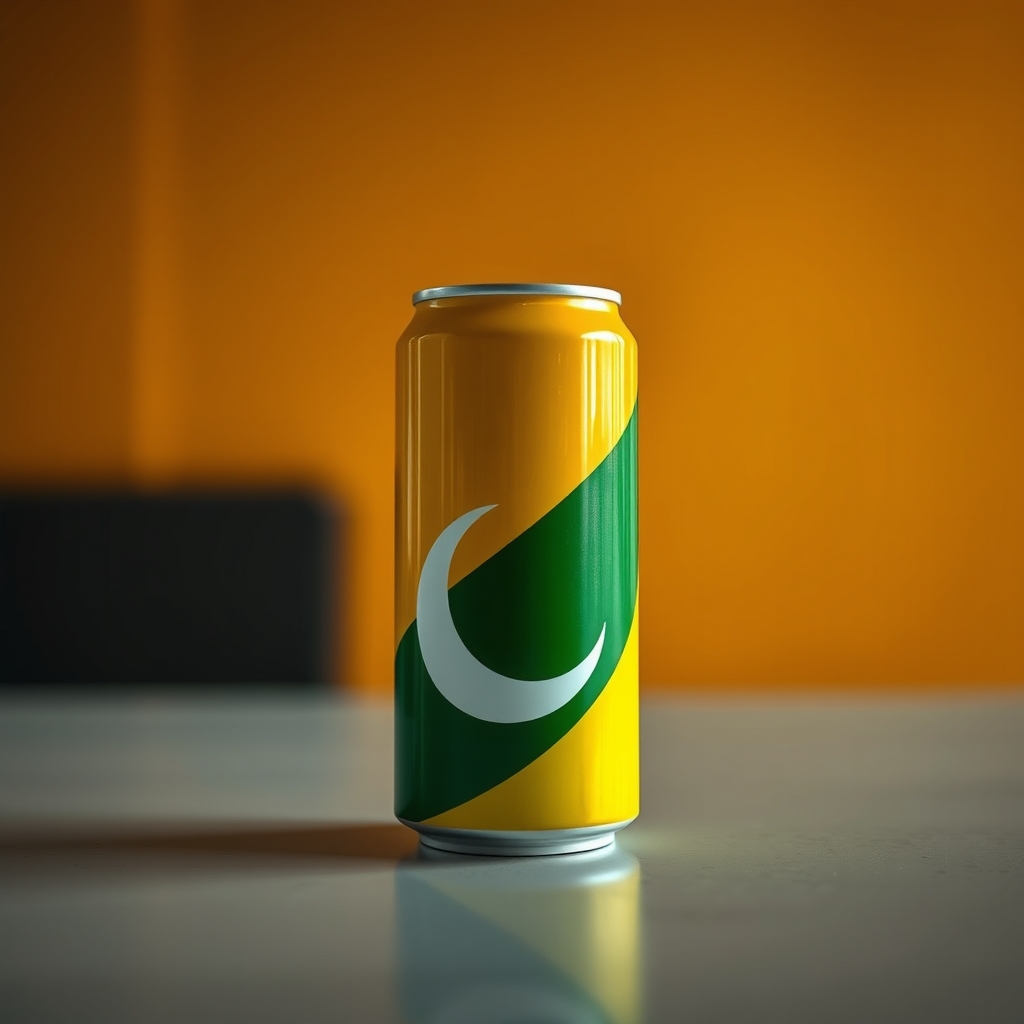
A short video circulating on social media shows a stylised Adolf Hitler drinking from a plastic Fanta can while angrily proclaiming, “I hate juice.” Millions mistook it for a genuine commercial, sparking online debate. The clip is AI‑generated; its colour scheme, fonts and the logo on the can are unlike any real Fanta packaging.
The video’s artificial nature is clear because the design on the can does not match actual Fanta branding. Despite this, many viewers accepted the clip as real.
The fact that so many people fell for the fake video points to a broader trend. Shock advertising, a marketing strategy that deliberately crosses social, moral or aesthetic lines to provoke fear, disgust or outrage, has become more common. The term “shockvertising” appeared in the early 1990s, although the practice began with public health campaigns in the late 1960s.
Early examples of shock advertising were anti‑smoking adverts that showed graphic images of diseased lungs. These images were effective because they were linked to a clear public health goal. Later, governments required tobacco companies to print similar graphic warnings on cigarette packs.
After seeing how misleading imagery could spur debate, several consumer brands took a more overt aggressive approach. In the late 1980s, United Colours of Benetton used controversial photos – a dying AIDS activist, a priest and nun kissing, war‑tied uniforms – to stir public discussion. Luxury brands such as Gucci and Tom Ford later added hyper‑sexualised or taboo imagery to create an edgy brand identity, sometimes courting bans to gain free publicity.
Today, these tactics have moved online. Shock advertising now relies on rage‑baiting and controversial social stances engineered to generate hot debate, clicks and viral shares. This is part of what scholars call the “outrage economy,” where heightened conflict and anger buy digital attention, bypassing critical analysis.
The clothing companies’ strategy is mirrored in other arenas. For instance, Pakistani comedian Tabish Hashmi announced he was leaving a popular TV show. A rumor circulated that he was fired for controversial remarks, a claim that was later shown to be a staged stunt; the show’s host was never asked to leave, and the network only paused production for a set redesign. The false claim spread rapidly, turning a simple promotional move into a battle over perceived censorship and free speech.
The rise of shock advertising shows how easily manufactured outrage can capture audiences. Digital platforms reward high engagement over accuracy, and audiences often accept outrage at face value without verifying facts. This ongoing cycle affects media, brands, influencers, vloggers and everyday users alike, reshaping how public discussion appears online.