National Institute of Cardiovascular Diseases Achieves 500 Pediatric Heart Rhythm Surgeries, Free of Charge.
Pakistan’s only pediatric electrophysiology program has completed 500 life‑saving procedures for children with arrhythmias, all funded free of cost by the National Institute of Cardiovascular Diseases (NICVD) in Karachi.
By AVI News News Desk2 min read
🔍 Click to enlarge
National Institute of Cardiovascular Diseases Achieves 500 Pediatric Heart Rhythm Surgeries, Free of Charge.
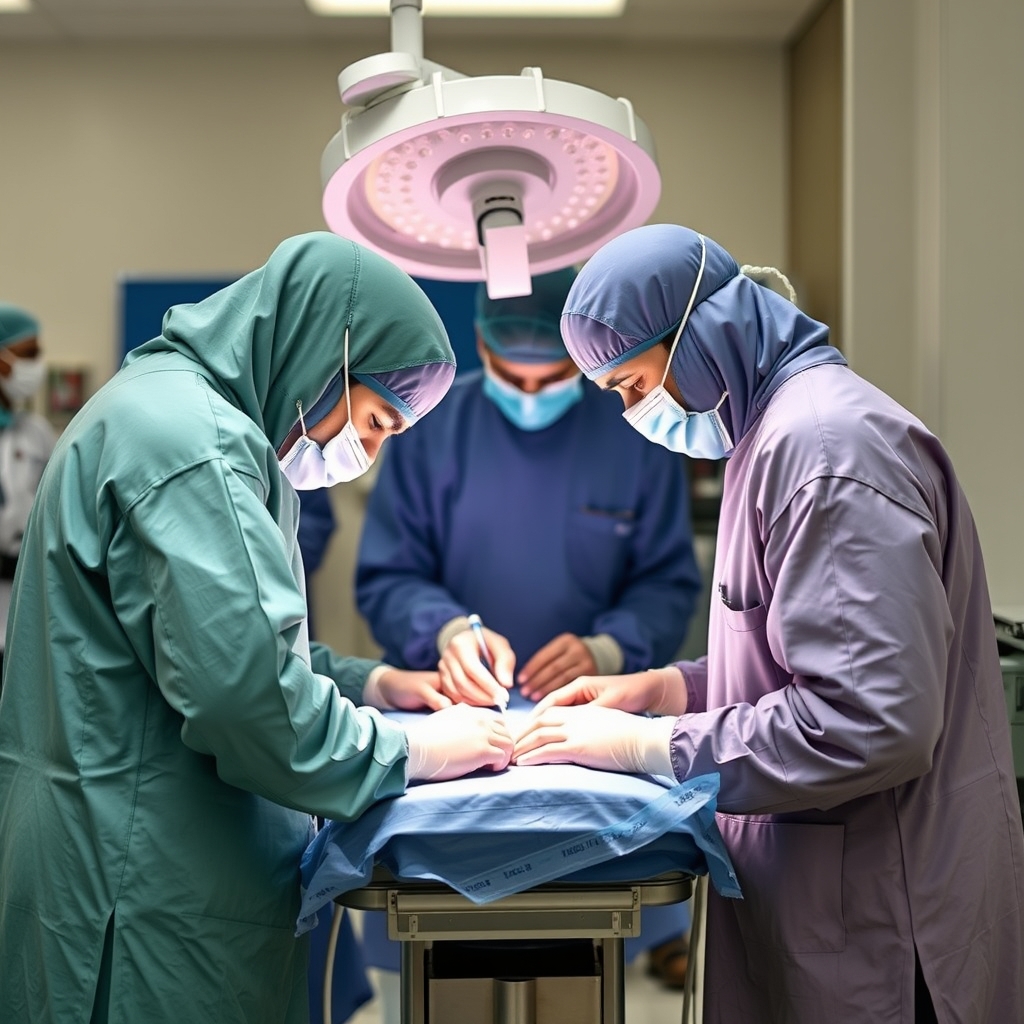
The National Institute of Cardiovascular Diseases (NICVD) in Karachi announced that its dedicated pediatric electrophysiology program has performed 500 heart‑rhythm surgeries for children with potentially fatal cardiac arrhythmias, providing the treatments completely free of charge.
The program has been operating for the last few years, and in its early days the country had no specialized treatment for these disorders. According to NICVD, nearly Rs1 billion has been spent on devices, catheters and other supplies, but every procedure was offered at no cost to the families.
The surgeries address three main patient groups: children with abnormally slow heart rates requiring pacemakers, patients suffering from abnormally fast heart rates treated with electrophysiology studies and catheter ablation, and children and adolescents with inherited conditions that raise the risk of sudden cardiac arrest.
Catheter ablation is a minimally invasive intervention that uses advanced three‑dimensional mapping technology to guide a thin catheter through a blood vessel in the groin or arm, pinpointing and destroying the tissue that produces the irregular rhythm. The procedure typically lasts two to three hours.
Each treatment costs between Rs1 million and Rs1.5 million, but the NICVD has covered all expenses for the 500 cases. Dr. Muhammad Mohsin, the program’s head, noted that awareness of pediatric heart rhythm disorders was very limited in Pakistan before 2021, but remains a priority today.
The program now receives 30 to 35 patients daily in its outpatient department and follows up with around 200 families. Common warning signs include poor growth, recurrent fainting, chest discomfort, symptoms that do not improve with medication, and an increased risk of sudden cardiac arrest.
Dr. Mohsin emphasized that many cases are congenital or hereditary, often affecting multiple family members. The NICVD’s breakthrough offers a new, life‑saving option for Pakistani children who previously had no access to these treatments.
NICVD staff and medical teams continue to refine the procedures and expand patient access, ensuring that pediatric arrhythmia care remains advanced and freely available in Pakistan.