Pakistan and Iran pledge to raise bilateral trade to $10 billion amid sanction challenges and new transit routes.
Pakistan and Iran have agreed to lift formal trade to $10 billion, using new transit arrangements and barter mechanisms to overcome sanctions, after a decade of declining formal traffic.
By AVI News News Desk2 min read
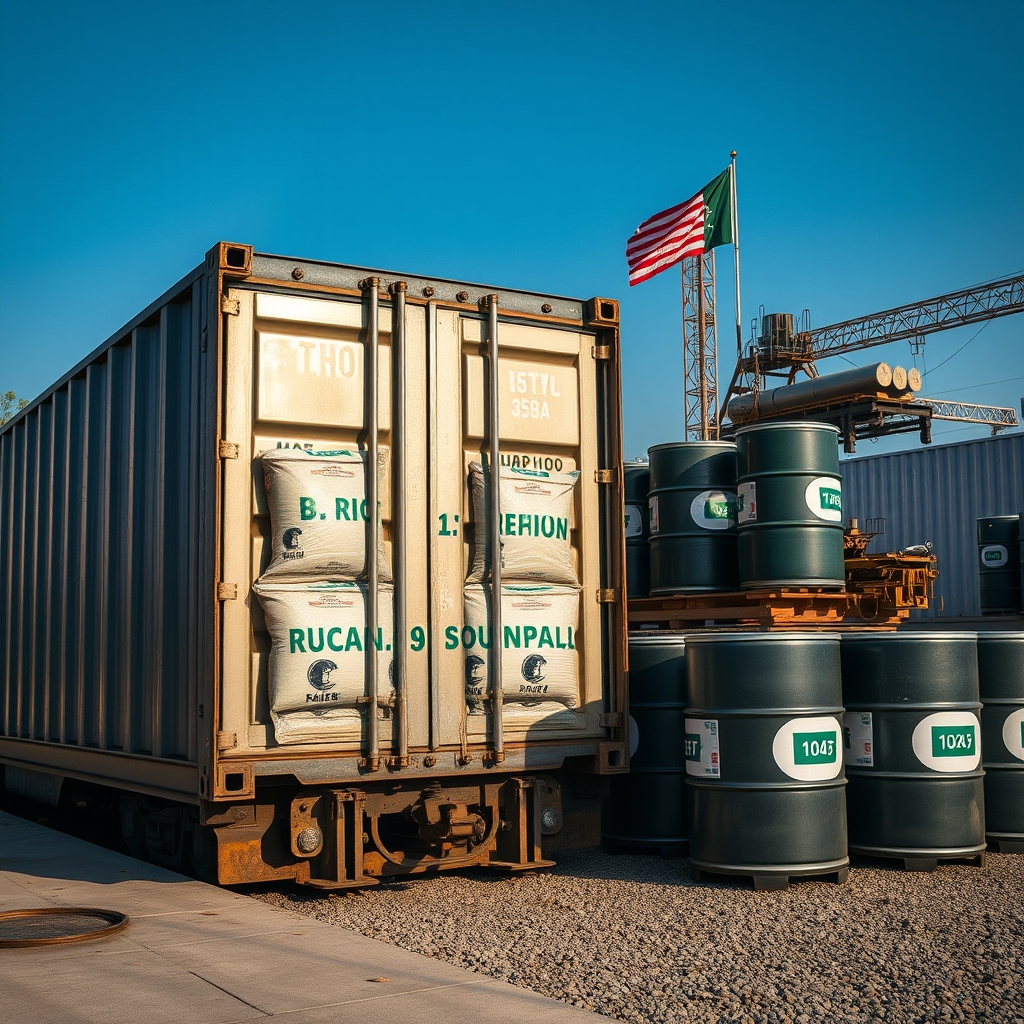
🔍 Click to enlarge
Pakistan and Iran pledge to raise bilateral trade to $10 billion amid sanction challenges and new transit routes.
In 2006 Iran and Pakistan signed a Preferential Trade Agreement, giving concessions on 338 and 309 tariff lines respectively. That year, the total bilateral trade was $638 million, with $450 million of that coming from Iran to Pakistan.
By 2009 trade had risen to $1.321 billion but began to fall thereafter. In 2020 the figure was $438 million, after which formal recorded trade fell to zero and has stayed there, largely because of U.S. sanctions and the lack of viable payment channels.
Since 2023 the two countries have been conducting a “Business to Business Barter Trade Mechanism.” 26 commodity categories—ranging from milk and rice to textiles and metals—are traded, and current estimated barter trade is about $3 billion, more than double the last formal level.
The February 28, 2026 U.S.–Israel attack on Iran triggered a crisis, and Pakistan positioned itself as a mediator. In April 2026 Pakistan announced six transit routes for goods to Iran under the “Transit of Goods through Territory of Pakistan Order 2026.”
In August 2026 high‑level officials in both countries reiterated a commitment to reach a $10 billion trade level. The agreement is part of a broader effort to improve connectivity as Iran’s Strait of Hormuz faces blockages that cost the country an estimated $500 million per day.
The next step is to formalise a roadmap that turns the $10 billion target into actionable milestones. Possible measures include a U.S. waiver for Iran’s petroleum sales to Pakistan, a currency‑swap arrangement, and tighter control of smuggling routes that undermine official markets.