Pakistan faces internal governance crisis amid calls for devolution as border trade and security issues persist.
A debate ignited by a senior cabinet member highlights Pakistan’s need for stronger local governments, restored border trade and a balanced security strategy.
By AVI News News Desk2 min read
🔍 Click to enlarge
Pakistan faces internal governance crisis amid calls for devolution as border trade and security issues persist.
A senior cabinet member has sparked a nationwide debate over Pakistan’s highly centralised governance system. Many observers say decision-making remains concentrated in Islamabad and the provincial capitals, leaving citizens in distant regions with little influence over policies that affect their lives.
Law and order concerns are strongest in Balochistan and Khyber‑Pakhtunkhwa, where security challenges continue to threaten national stability.
Experts agree that meaningful devolution is no longer optional. Studies by international institutions, including the World Bank, find that stronger local governments improve service delivery, accountability and inclusive growth. In practice, elected local bodies are the weakest tier of government; decisions are made far from the communities they are meant to serve.
Local governments are frequently dissolved or delayed because they are viewed as politically inconvenient. Completing the unfinished agenda of devolution should become a national priority.
Some observers suggest creating smaller provinces, arguing that smaller administrative units can improve public administration. However, strengthening local governments and finishing the implementation of the 18th Constitutional Amendment are more achievable reforms.
The National Action Plan, launched more than a decade ago, had intended to balance security, governance, and development. While military operations have gained tactical successes, the broader strategy remains incomplete.
The plan evolved into a predominantly security‑focused framework. Local governments, civilian institutions and communities have played a limited role, and economic development and community participation have received less attention.
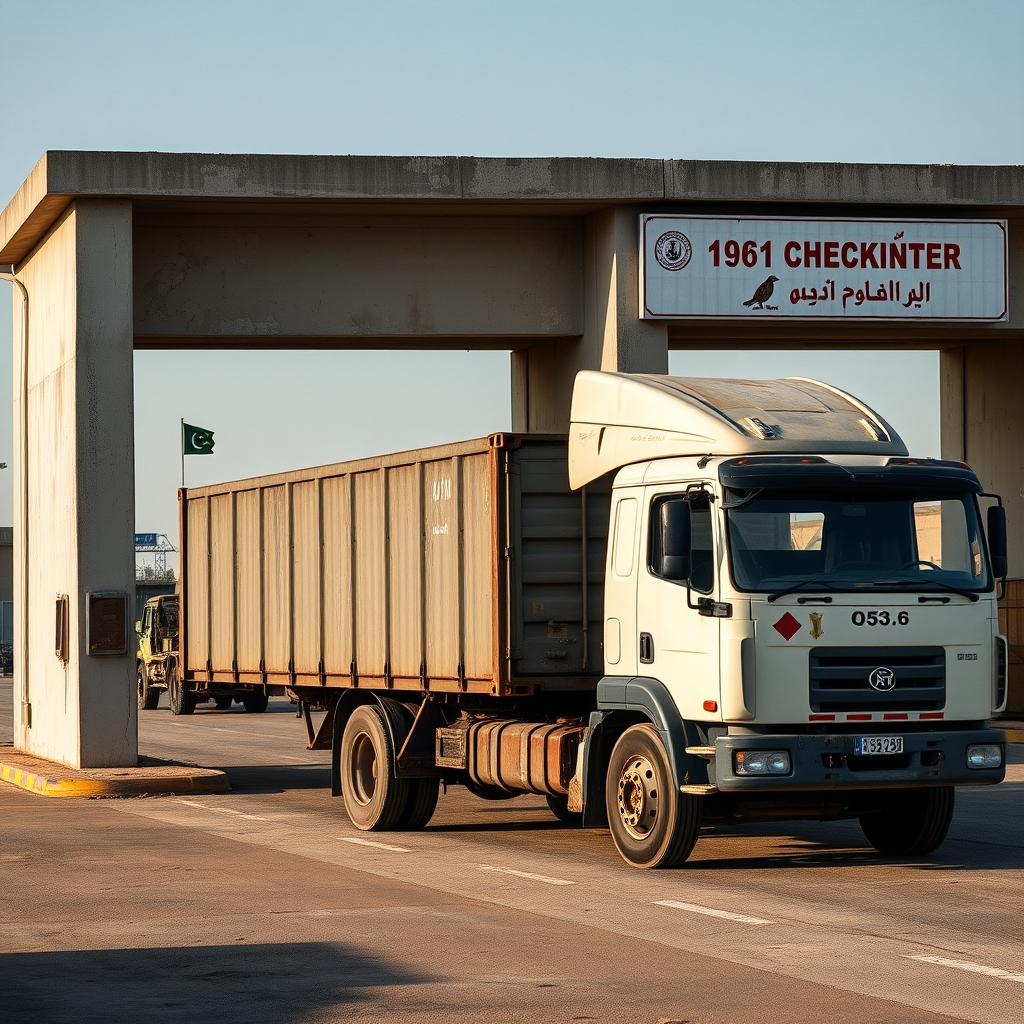
Cross‑border trade has been vital for border communities. Although several joint border markets have been announced, most remain signboards with little commercial activity. A ten‑month closure of trade with Afghanistan and Central Asia has imposed enormous economic costs, and cumulative losses run into billions of dollars.
A broader strategy that couples governance reform with economic integration is required. Genuine devolution would strengthen public services. Joint border markets should become operational, and the National Action Plan must be balanced to give equal emphasis to governance, economic development, and community participation.
Pakistan’s diplomatic achievements can only translate into long‑term growth if domestic institutions are strengthened and governance is made more inclusive.