Pakistan goods transporters strike halts 400,000 vehicles, threatens industry and supply chains in the country.
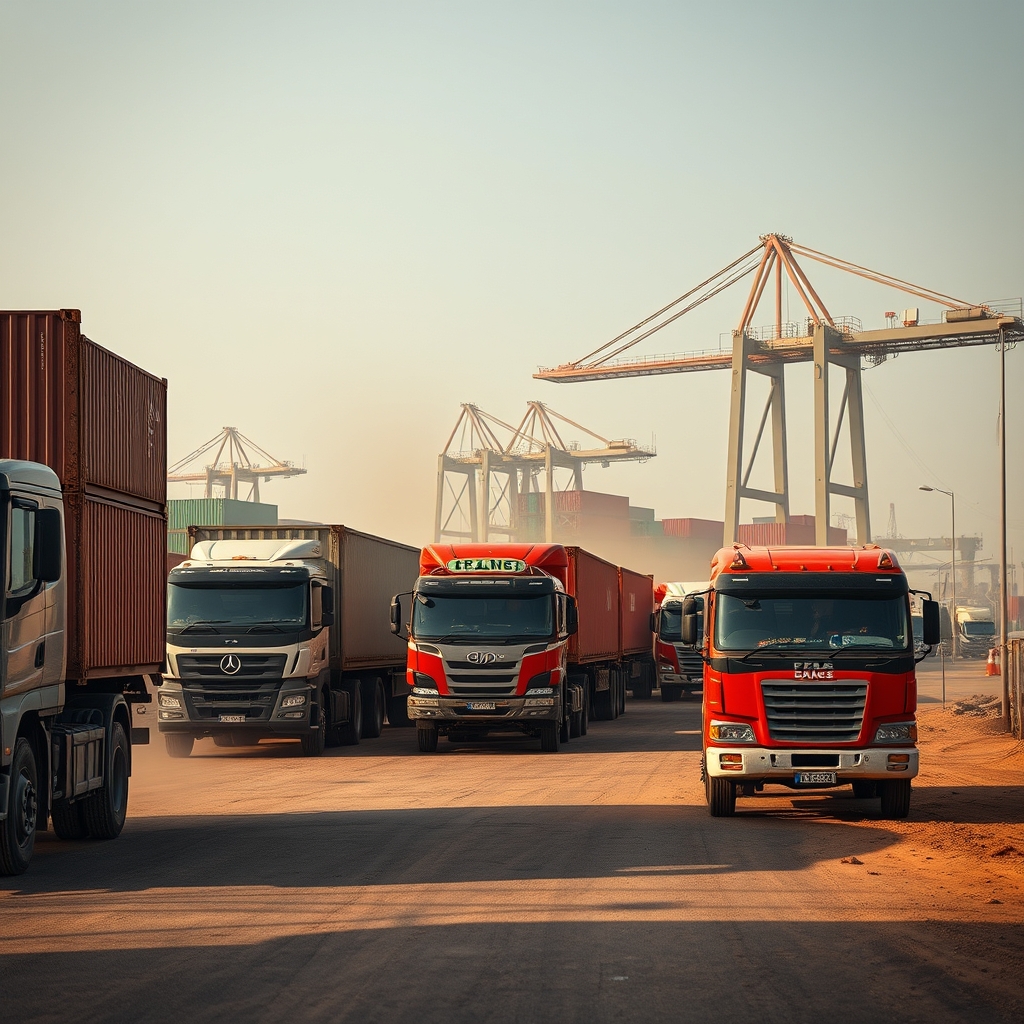
Goods carriers have parked in Karachi’s Mauripur port, stopping more than 400,000 vehicles and disrupting cargo flow to and from the city’s terminals. The nationwide strike, driven by a new daily fuel price policy and high withholding tax, threatens to halt industry production and jeopardise export commitments. Transporters demand a return to a monthly fuel price system and reduced tax.
By AVI News News Desk2 min read
🔍 Click to enlarge
Pakistan goods transporters strike halts 400,000 vehicles, threatens industry and supply chains in the country.
On Saturday, goods carriers have remained parked at Karachi’s Mauripur port, halting the movement of more than 400,000 vehicles that transfer cargo to and from the city’s terminals. The stoppage disrupts both import and export traffic.
Pakistan Goods Transporters Alliance chair Nisar Hussain Jafry told Dawn that the strike will continue until the outcome of a meeting with petroleum, transport and ports ministers scheduled for Monday. He said the transporters had already unloaded containers at the ports.
Transporters protest a new daily fuel price fixation introduced by the government, stating that the daily changes make it difficult to fix transportation costs for the one to three‑day intercity journeys. They also seek the restoration of a monthly fuel‑price mechanism and a reduction of withholding tax on transport services from 7% to 2%.
Industry leaders warn that prolonged disruption could stall production. Site Association president Abdul Rehman Fudda said freight stoppage threatens raw‑material delivery and finished‑goods dispatch, potentially leading to factory shutdowns, export penalties and job losses.
Fudda urged the government to intervene quickly and negotiate with transporters, stressing that indefinite blockage would damage exports, employment and the wider economy. He also called for easing energy tariffs, simplifying tax rules and speeding pending refunds.
The transporters and government had signed a charter of demands in December 2025, but commitments made under it remain unfulfilled. Toll plazas with 30‑km spacing and high rates, parking restrictions around ports, and licensing issues add to transporters’ grievances.