Pakistan revamps oil storage rules, allowing international suppliers to use pipeline network and re‑export fuel.
Pakistan’s petroleum ministry has unveiled revised guidelines that give foreign oil suppliers, through consignees, access to the national pipeline network for bonded storage and simplified re‑export of petroleum products.
By AVI News News Desk2 min read
🔍 Click to enlarge
Pakistan revamps oil storage rules, allowing international suppliers to use pipeline network and re‑export fuel.
Pakistan’s petroleum ministry has modified its petroleum storage policy to give international suppliers easier access to Pakistan’s pipeline network and the ability to re‑export fuel.
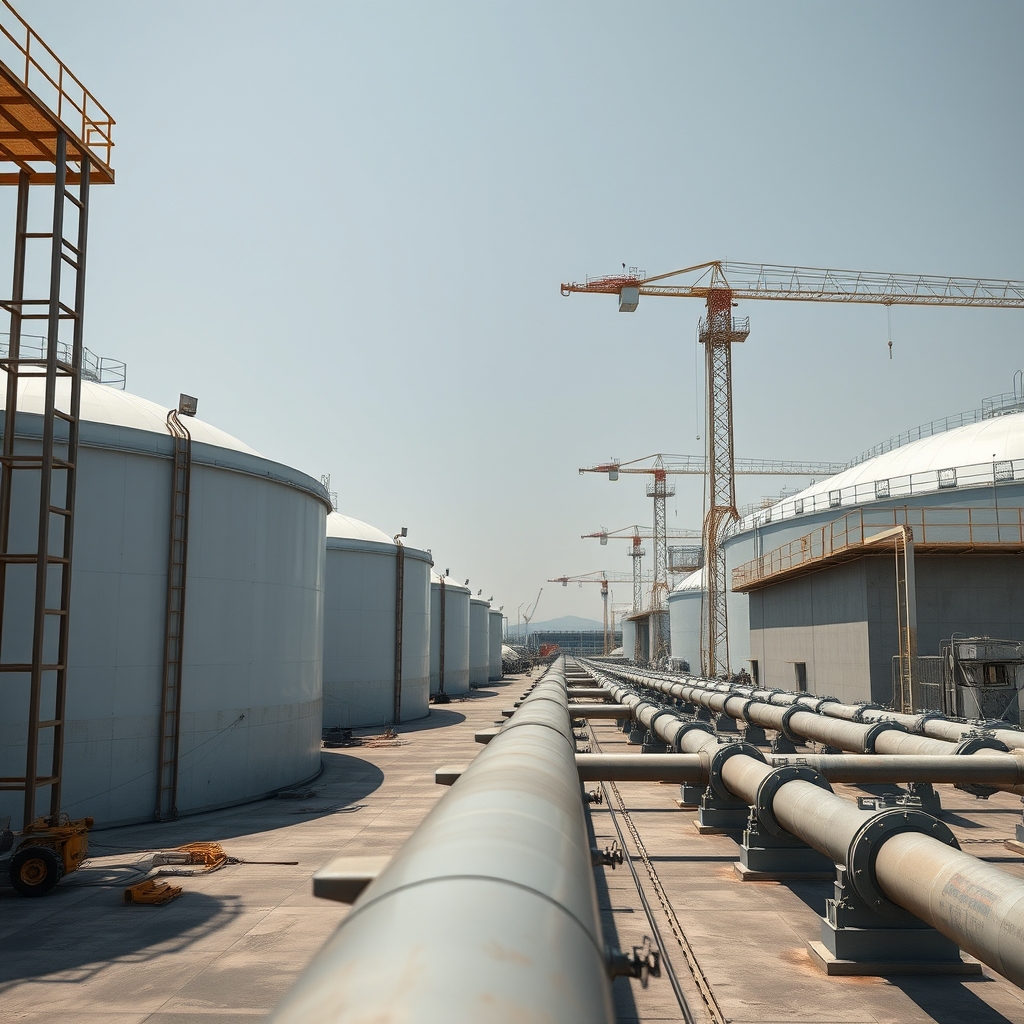
Under the new rules, foreign suppliers can bring crude oil, motor spirit, diesel, jet fuel, fuel oil, LPG and LNG into bonded storage facilities. The inventory can then be moved through the national pipeline network, including ports such as Port Qasim, Hub, Gwadar, Mehmood Kot and Machike, to inland locations for sale or further handling.
The movement of bonded inventory on the pipeline will not trigger duties or taxes, although goods declaration requirements remain. The policy also removes obstacles to re‑exporting unsold stocks. Consignees may request to export the final 10 % of bonded stock; the national regulator, the Office of the Gas Regulatory Authority (Ogra), will decide within two days. If Ogra does not respond, approval is deemed granted. Later re‑exports require only a customs declaration, which is processed within 24 hours.
The Federal Board of Revenue will receive access to inventory data so it can monitor bonded petroleum holdings. Consignees must report daily stock levels at approved sites.
The draft guidelines have been debated among ministries. The Federal Board of Revenue raised issues about defining foreign suppliers and consignees and the inclusion of products outside the petroleum division’s domain. The Board of Investment supports the liberalisation, citing wider product coverage, tax neutrality for bonded operations and streamlined clearances.
The Ministry of Commerce has approved the policy in principle, noting that import‑policy and other relevant provisions would need updating.
Pakistan says the measure seeks to strengthen its energy security amid disruptions in the Strait of Hormuz and other regional risks.