Pakistan’s counterterrorism operations rise as July sees record attacks, killing 205 militants while only five are arrested.
In July, Pakistan’s security forces launched a record number of counterterrorism operations, eliminating 205 militants but arresting only five. The year’s most attacks highlighted a deteriorating security situation, especially in Khyber Pakhtunkhwa and Balochistan.
By AVI News News Desk3 min read
🔍 Click to enlarge
Pakistan’s counterterrorism operations rise as July sees record attacks, killing 205 militants while only five are arrested.
Pakistan’s security forces intensified operations in July, the year’s highest level of attacks underscored by a record number of incidents. The month saw 26 anti‑militant operations, a slight increase from June’s 24, conducted mainly by the army, Frontier Corps and police counterterrorism departments. These actions killed 205 terrorists, including 18 operations in Balochistan and 8 in Khyber Pakhtunkhwa. In Quetta and surrounding Shaban and Hanna Urak areas alone, six operations reported 68 militant deaths.
Meanwhile, only five suspected terrorists were arrested during the month, all in Karachi. They were linked to the banned Balochistan Liberation Army, Jamaatul Ahrar and Lashkar‑i‑Jhangvi. This low arrest count highlights a heavy reliance on lethal force and limited investigative capacity.
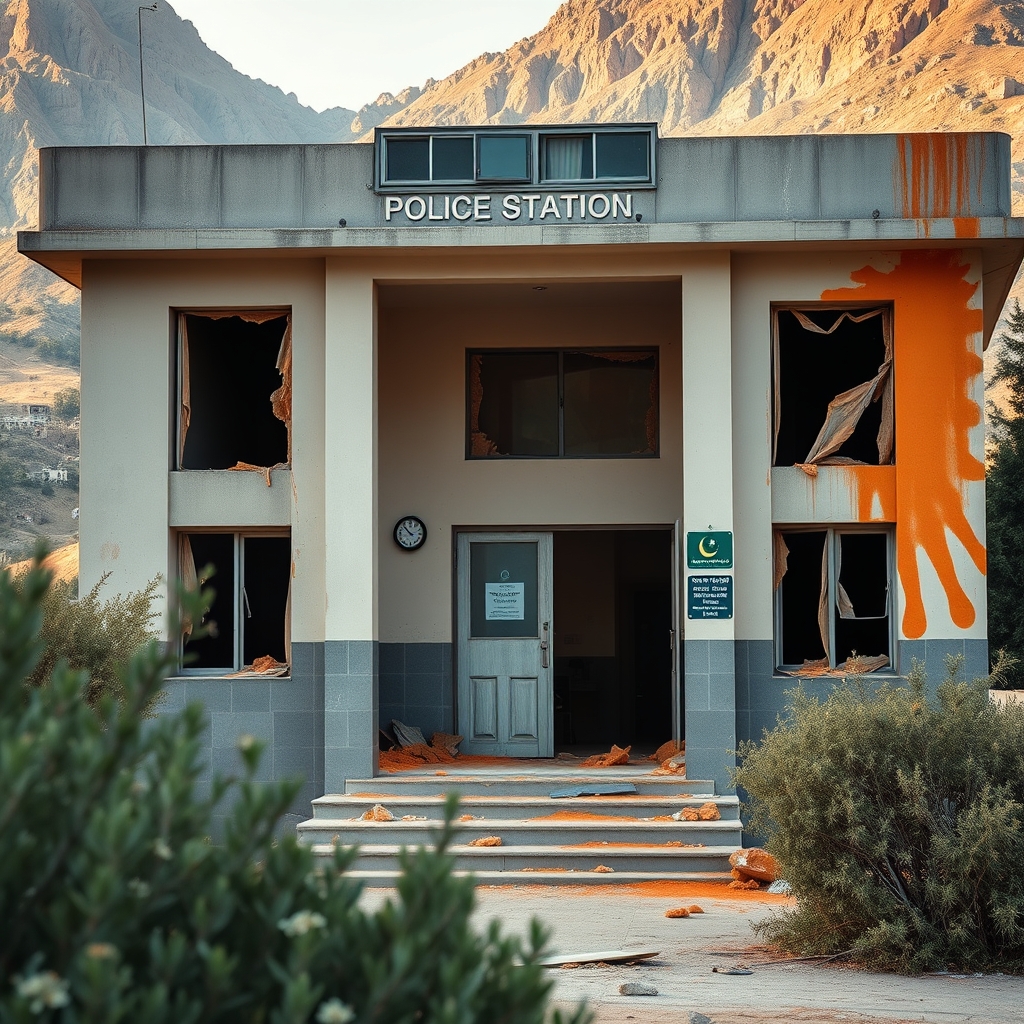
In Khyber Pakhtunkhwa, the Pakistani Taliban and affiliated groups remain the main threat. Since 2021, attacks have concentrated in southern districts, but from early 2026 the operational map has expanded to settled districts and toward Balochistan and possibly southern Punjab. Militants persist in suicide bombings, targeted killings, assaults on police and military posts and the use of quadcopters and small drones in attacks. In July, one such attack occurred in Swat, where a suicide bomber detonated outside the Kabal police station during the Swat People’s Peace Uprising. Seventeen people, including police personnel and civilians, were killed and more than a dozen were wounded. There is confusion whether the TTP targeted the rally or the police post, but the incident shows a return of violence to areas once declared free of terror.
Balochistan experienced one of its worst months of violence in recent years. July’s coordinated attacks hit Mastung, Lasbela, Ziarat, Kech and Khuzdar, demonstrating the geographic reach of armed terrorist groups and their ability to challenge the state simultaneously in multiple locations.
Human rights groups continue to express concern over alleged enforced disappearances and perceptions of state impunity, further deepening distrust in alienated communities. The overall security picture indicates that operational success has not translated into durable peace:
- 205 militants killed versus only five arrests;
- An absence of a coordinated strategy to convert kills into stability;
- Weakening of governance deficits, police capability and local trust.
The Pakistan government’s focus on border pressure and regional diplomacy with Afghanistan has not replaced the need for a coherent domestic strategy, which would combine political inclusion, capable policing, regional diplomacy and community engagement.
These developments suggest that while Pakistan’s security forces maintain a high tempo of action, the widening reach of terrorist groups, the limited arrests, and the lack of a broader strategy pose a significant challenge to long‑term stability.