Rawalpindi’s Children’s Hospital Project Sets New Completion Date of 31 December 2026 after four-year delay.
The previously delayed Children’s Hospital in Rawalpindi now has a firm deadline of December 31, 2026, with the project’s cost up 50 %.
By AVI News News Desk2 min read
🔍 Click to enlarge
Rawalpindi’s Children’s Hospital Project Sets New Completion Date of 31 December 2026 after four-year delay.
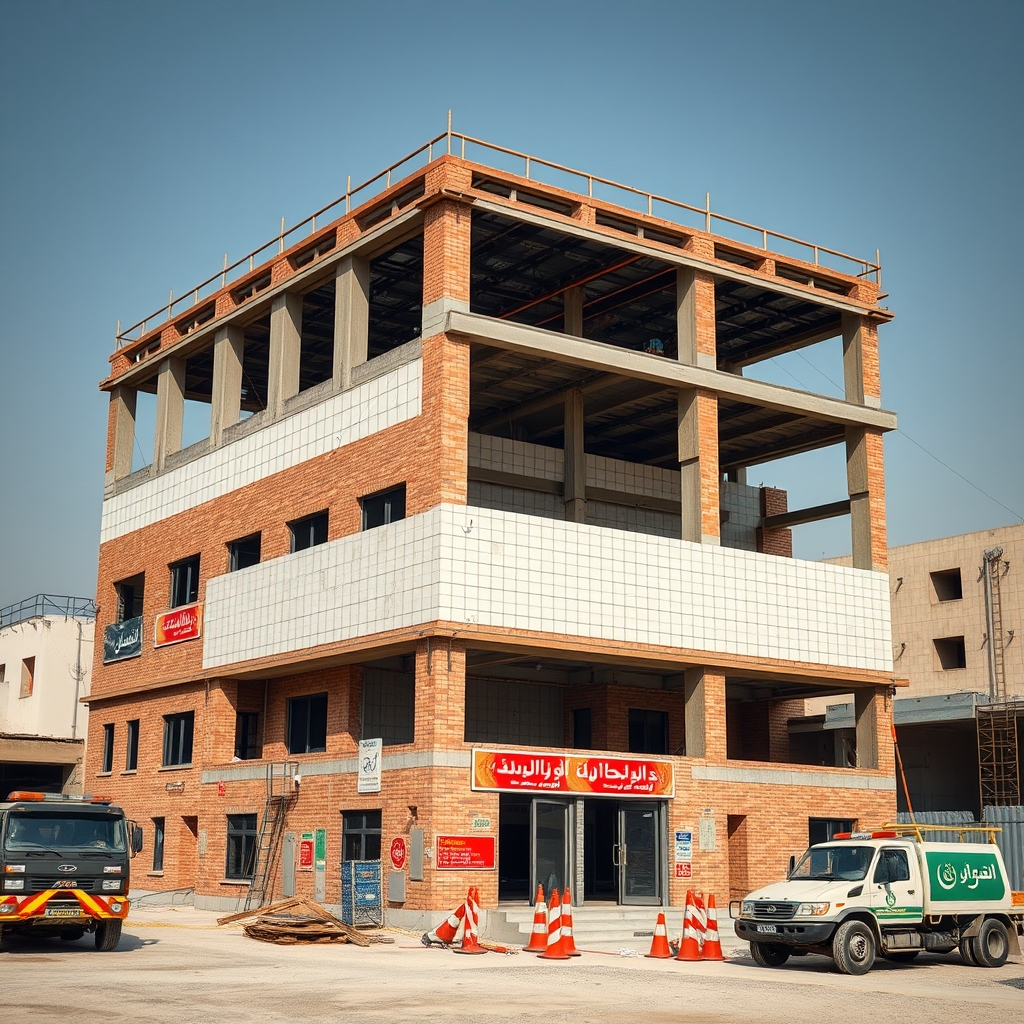
The hospital project, originally named Mother and Child Hospital, has been renamed Children’s Hospital. It was started during the tenure of former interior minister Sheikh Rashid Ahmed.
The estimated cost of the project has increased by 50 % because of higher prices for building materials, steel and tiles.
The four-year delay led to the theft of steel, wooden fixtures, iron grills, windows and doors. These items now have to be reinstalled at a higher cost.
The three‑storey hospital will contain 500 beds and 13 operation theatres.
Rawalpindi Commissioner Salman Ghani visited the site on Asghar Mall Road. He reviewed the progress and noted that overall construction was 25 % complete, while the main structure had already been finished.
The commissioner said the hospital is a critical project because no specialised public hospital for children exists in Rawalpindi or nearby areas. Once it opens, it will provide modern care to thousands of children and reduce the need for families to travel to other cities.
He directed the authorities to ensure that all basic and modern facilities—including separate executive washrooms, parking, waiting areas, drinking water, drainage, sanitation, lifts, ramps, emergency access, signage, wheelchair facilities, backup power, fire safety and security—are installed. He also ordered that medical equipment, specialised children’s wards, emergency services, intensive‑care units, operation theatres, laboratories, pharmacies and other departments be completed on schedule so the hospital can provide full services immediately after it becomes operational. Continuous monitoring of every construction phase and strict adherence to standards were also required.