Saudi‑Pakistan‑Turkiye defence pact expands, Iran views it as part of a post‑American security order.
A trilateral defence agreement signed in Mecca adds Turkey to existing Saudi‑Pakistan ties. Tehran says the pact signals a shift away from U.S. influence but does not presently threaten Iran.
By AVI News News Desk3 min read
🔍 Click to enlarge
Saudi‑Pakistan‑Turkiye defence pact expands, Iran views it as part of a post‑American security order.
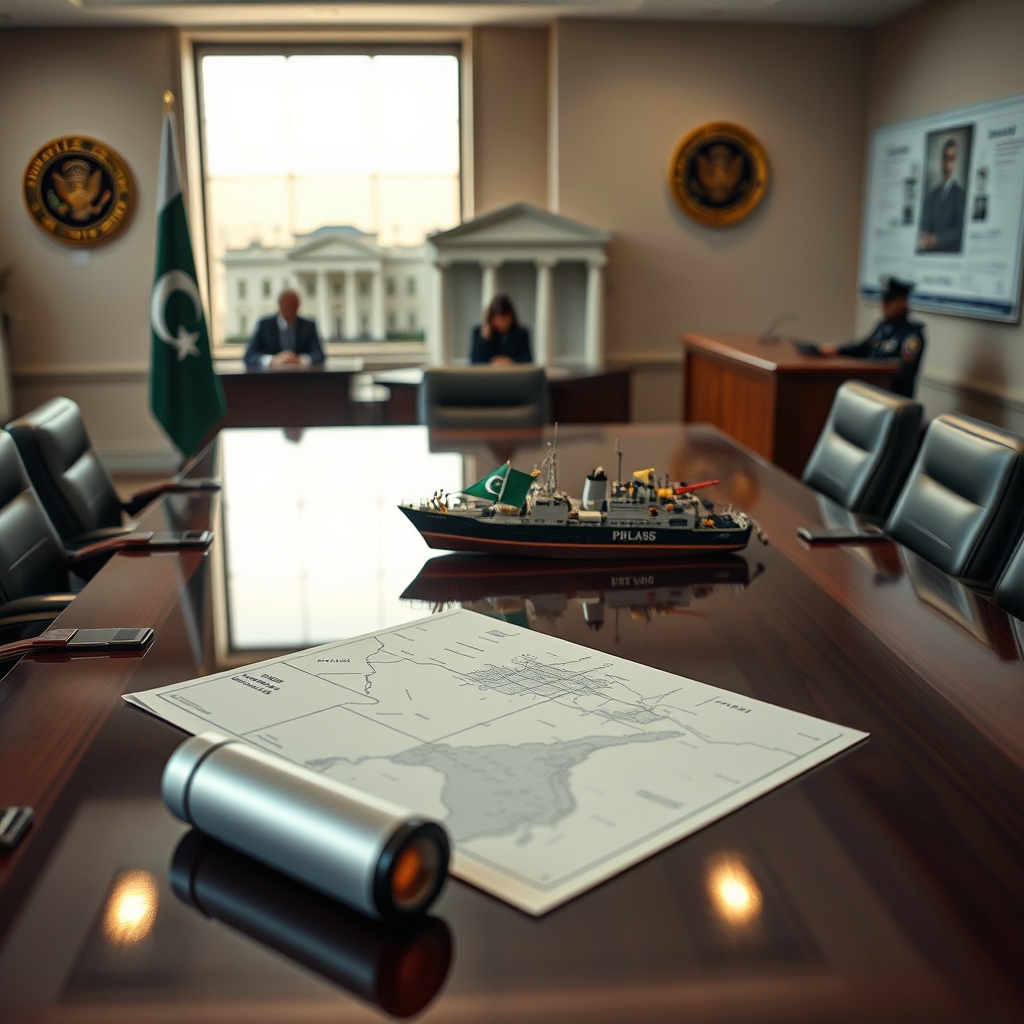
The alliance that began as a Saudi‑Pakistan defensive framework was expanded on Friday in Mecca to include Turkey. Under the agreement, an armed attack against any one of the three states would be treated as an attack on all.
The pact was announced more than five months after a U.S. and Israeli bombing campaign against Iran launched a regional conflict that disrupted maritime traffic through the Strait of Hormuz.
In Tehran, officials stressed the conversation was about the narrowing U.S. security role rather than a new threat to Iran. Iran’s foreign minister, Abbas Araghchi, wrote on social media that Muslims standing together can confront “malicious outsiders.”
Analysts say the pact does not immediately endanger Iran, but it could strengthen Saudi deterrence and later enable coordinated pressure on Iranian‑aligned forces in Yemen, Iraq, and through economic ties with Turkey and Pakistan.
Recent clashes in Yemen add urgency. A Houthi drone strike on a Saudi Aramco refinery in Jizan was reported as a fire that was extinguished with no casualties. In the same month, Houthi missiles and drones struck the Red Sea port of al‑Makha, killing at least seven people, wounding 15, and damaging infrastructure.
Iran’s Ministry of Foreign Affairs did not issue a formal statement, but a senior official, Hossein Noushabadi, told a state‑linked news service that the pact marks a transition toward a new regional security order independent of the United States.
Other experts echoed that view. Vali Nasr of Johns Hopkins said the pact reflects a post‑American security push, balancing the Abraham Accords. Mehran Kamrava of Georgetown University observed that the countries involved retain cordial relations and would not involve themselves in Saudi’s war in Yemen.
Some hard‑line members of Parliament argued that the pact could be directed against the “resistance front” of Iranian‑backed forces, potentially undermining Pakistan’s role as a mediator between Iran and the United States.
Ebrahim Azizi warned that miscalculations would carry costs and urged a balanced approach. Ebrahim Rezaei added that a paper agreement with Turkey and Pakistan does not guarantee Saudi security.
Experts note Tehran will work to keep the pact from becoming an explicitly anti‑Iranian coalition, maintaining ties with each partner. Analysts also said that while Iran could seek membership in the future, the more immediate possibility is an expansion to broader regional Arab states such as Egypt.
The Chatham House research director, Sanam Vakil, described the pact as a joint diplomatic and defence response to the U.S. unreliability, Israeli revisionist policies, and Iranian retaliation.