Smart Meter Rollout by Pakistan Power Division Aims to Enhance Solar Integration for Large-Scale Distributed Solar.
Pakistan’s Power Division announced an IFC-backed plan to install smart meters on 10 million single‑phase connections as a step to manage the rising share of rooftop solar. The initiative is part of a broader strategy to improve visibility and integration in the country’s legacy grid.
By AVI News News Desk2 min read
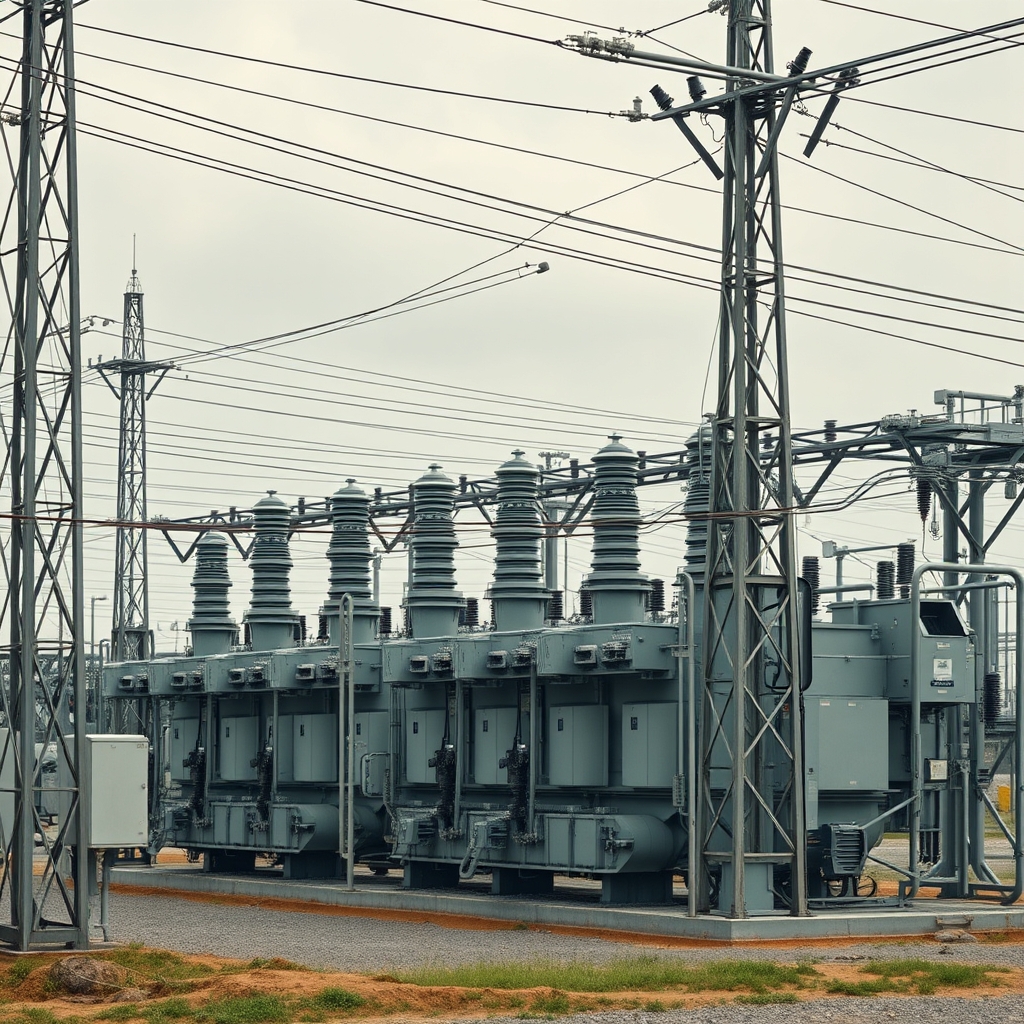
🔍 Click to enlarge
Smart Meter Rollout by Pakistan Power Division Aims to Enhance Solar Integration for Large-Scale Distributed Solar.
Pakistan’s first wave of solar installations grew because households and businesses could lower their electricity bills. More recently, the focus has shifted to how that distributed solar fits into the existing power system. The country’s grid was built for large, centralized plants that feed power in one direction. As many people generate electricity on their rooftops, the system must adapt.
The Power Division’s announcement in April 2026 details an advisory arrangement supported by the International Finance Corporation. It will deploy smart meters for 10 million existing single‑phase connections and expand advanced metering infrastructure to new customers. Smart meters record more detailed usage data than traditional meters, giving utilities a clearer view of when and where power is used.
The move is not a cure for all grid problems, but it represents a shift from passive billing to active visibility. Accurate data helps utilities manage feeder loads, plan for evening demand, and decide how to recover costs for shared networks. Without it, the grid could only react to problems rather than preventing them.
The article notes that, in addition to meters, Saudi utilities need better infrastructure, automation, storage, and demand flexibility. These elements will support rural and urban sectors as solar share grows.
With closer monitoring, Pakistan hopes to keep power supply reliable while accommodating more customer‑sited solar generation.