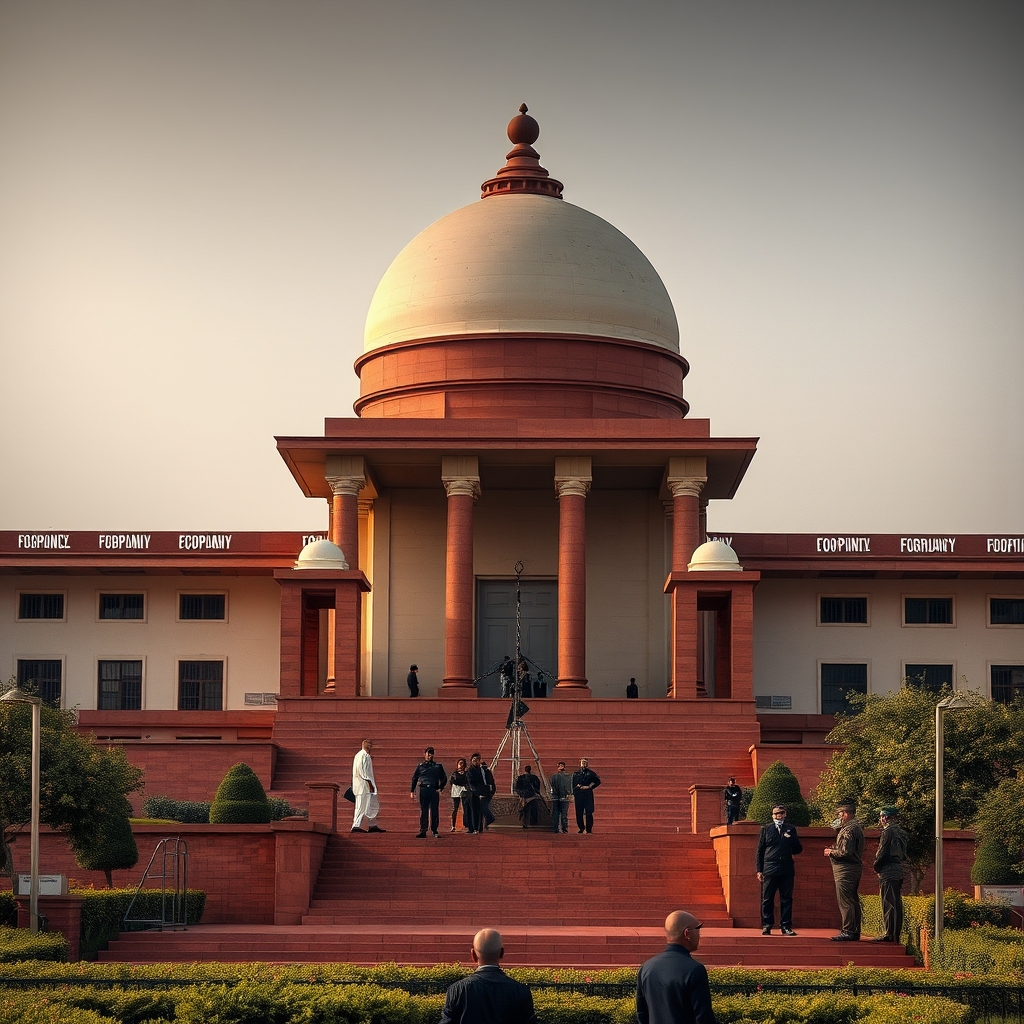
Supreme Court warns against growing culture of unwarranted adjournments in the country’s judiciary overall.
On August 8, 2026, the Supreme Court of Pakistan issued a 10‑page judgment against the trend of unnecessary adjournments in civil trials, urging advocates to manage their commitments more responsibly.
By AVI News News Desk2 min read
🔍 Click to enlarge
Supreme Court warns against growing culture of unwarranted adjournments in the country’s judiciary overall.
The Supreme Court issued a 10‑page opinion on the issue of unnecessary adjournments in civil trials. The decision was made in a hearing that was part of a civil case.
Justice Shahid Bilal Hassan, who wrote the judgment, said that lawyers have long‑standing professional duties to their clients, courts and the justice system. He explained that when a lawyer takes on a brief, the lawyer must ensure that the case proceeds properly, especially when important steps like recording evidence are scheduled.
The court also noted that a lawyer’s inability to attend a subordinate court because of a meeting with a superior court does not excuse an adjournment. Judges in higher courts typically finish significant work early in the day, allowing time to meet with lawyers before regular courts begin. Subordinate courts usually remain open all day, and lawyers normally have enough time to attend after higher‑court matters are concluded.
A stronger point was made that a lawyer should take on only as many cases as can be handled with competence, diligence and fidelity to the client’s interests. Over‑commitment is not a defensible reason for repeatedly delaying proceedings.
A division bench headed by Justice Naeem Akhtar Afghan said the "unfortunate consequence" of such ad‑hoc adjournments is rarely reflected on the lawyer who defaults.
The judgment was delivered on August 8, 2026, and is posted on the Supreme Court’s website.