Trump’s Iran conflict fuels U.S. fuel price rise and shelves criticism of his war stance.
The war in Iran, promoted by the Trump administration as a necessary security measure, has pushed U.S. fuel prices higher, sparking a debate over the war’s domestic impact and congressional authority to authorize it.
By AVI News News Desk2 min read
🔍 Click to enlarge
Trump’s Iran conflict fuels U.S. fuel price rise and shelves criticism of his war stance.
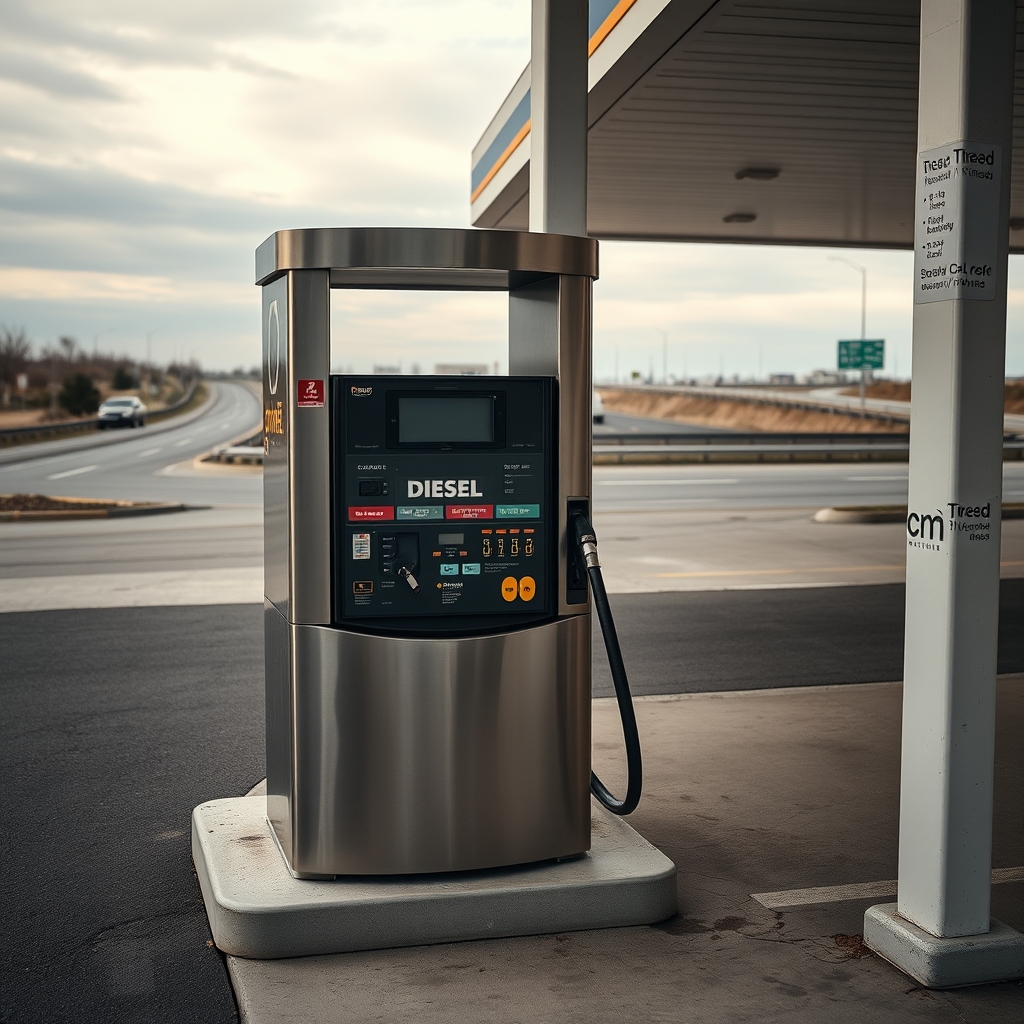
The Trump administration has framed its conflict with Iran as a vital national‑security task, but the war’s consequences are being felt in American households, where higher fuel prices are put on display at gas stations across the country.
Energy markets react strongly to events in the Middle East. Even when oil production remains unchanged, the uncertainty caused by the fighting can lift prices, and that rise is felt by consumers who must pay more to fill their tanks.
Trump has repeated that the market will stabilize and that fuel costs will come down once the fighting stops. He has also publicly questioned large oil companies for making strong profits while drivers pay more at the pump.
Whether these remarks help businesses or households is unclear. Market swings are largely driven by global supply expectations, which often respond faster to battlefield developments than to presidential statements.
The timing of the conflict matters. Congress faces upcoming elections, and lawmakers are hearing more questions about whether the war’s costs outweigh its benefits. Opinion surveys suggest that support for fighting in Iran has weakened as the financial pressure mounts.
The Biden and Trump‑era administrations have used broad executive power to authorize overseas strikes without a formal declaration of war. Each new engagement reignites congressional debate about whether such actions should be certified by lawmakers before they are undertaken.
Republican leaders defend the war as a necessary response to a threat, while Democratic members criticize the lack of clear objectives and the continuing escalation of costs, arguing that the conflict risks becoming an open‑ended engagement.
Ultimately the war will be judged not only by what happens in the Middle East but also by how it affects American politics. Rising fuel prices and doubts about the war’s purpose will push voters to weigh the nation’s security stance against everyday economic hardship.
The Trump administration insists that early withdrawal would embolden Iran and destabilise the region. It argues that the strategic goal demands patience, even if that means additional domestic costs and political criticism.